Posted by: sunnyharvy | April 22, 2014

Kasha-Katuwe Tent Rocks

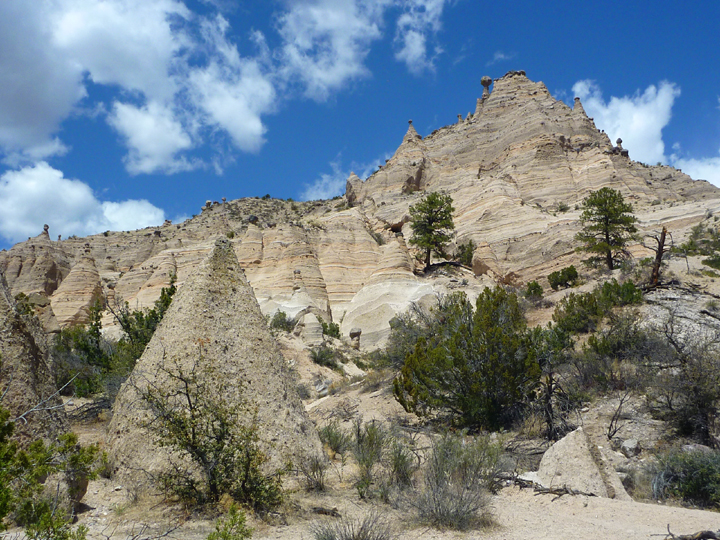
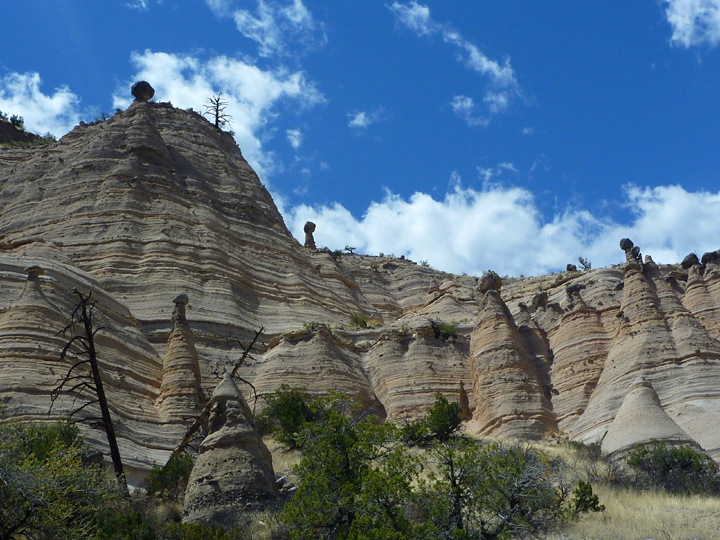
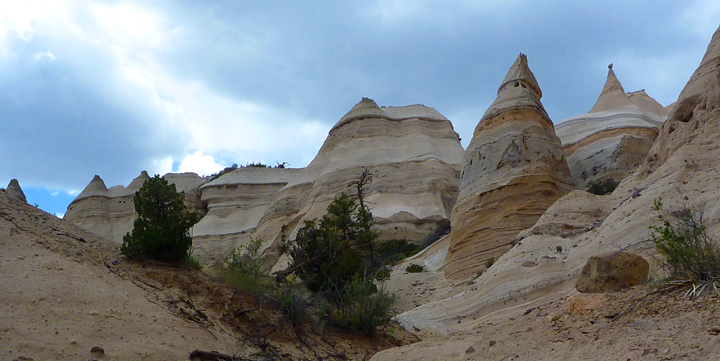
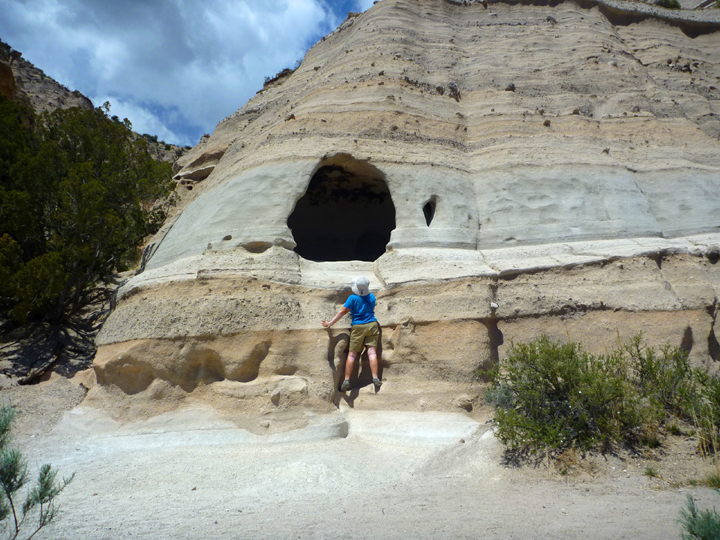
Thanks to a fellow traveler’s recommendation we spent an entire afternoon hiking the trails around the fascinating geological formations at Kasha-Katuwe Tent Rocks National Monument, located approximately half way between Albuquerque and Santa Fe, New Mexico. 
TentRocks0829

TentRocks0820

The cone-shaped tent rock formations are the products of volcanic eruptions that occurred 6 to 7 million years ago and left pumice, ash and tuff deposits over 1,000 feet thick. Precariously perched on many of the tapering hoodoos are boulder caps that protect the softer pumice and tuff below.
TentRocks0877

TentRocks0836

The complex landscape and spectacular geologic scenery of the national monument has been a focal point for visitors for centuries. Surveys have recorded numerous archaeological sites reflecting human occupations spanning 4,000 years.
TentRocks0844

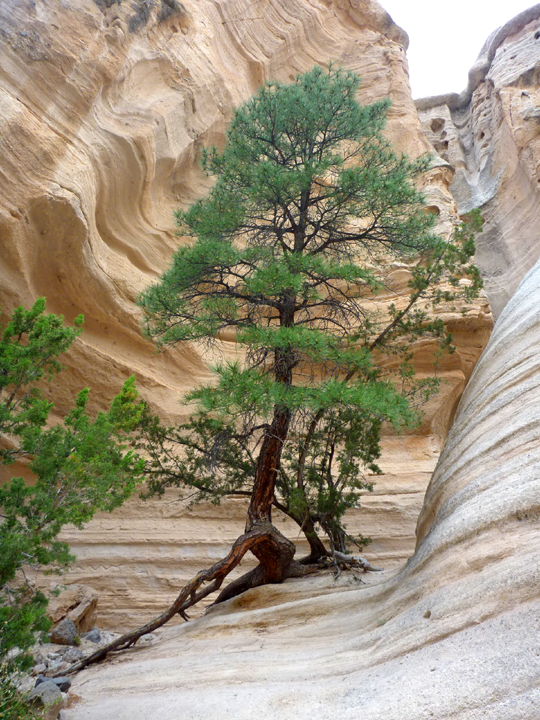
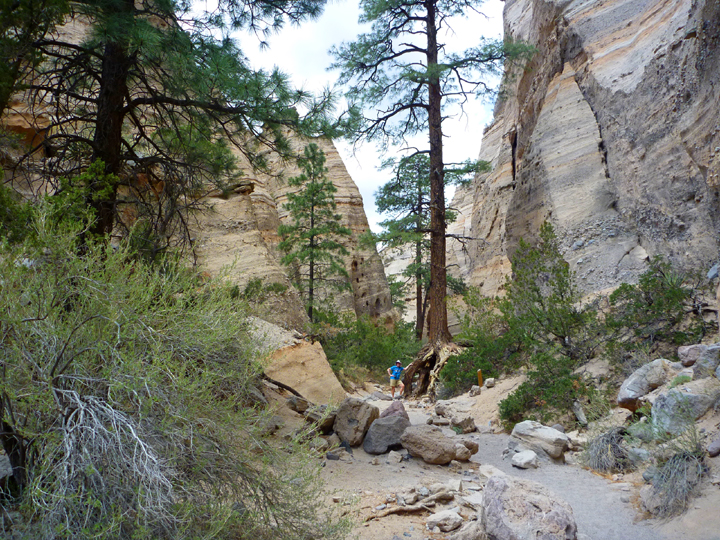
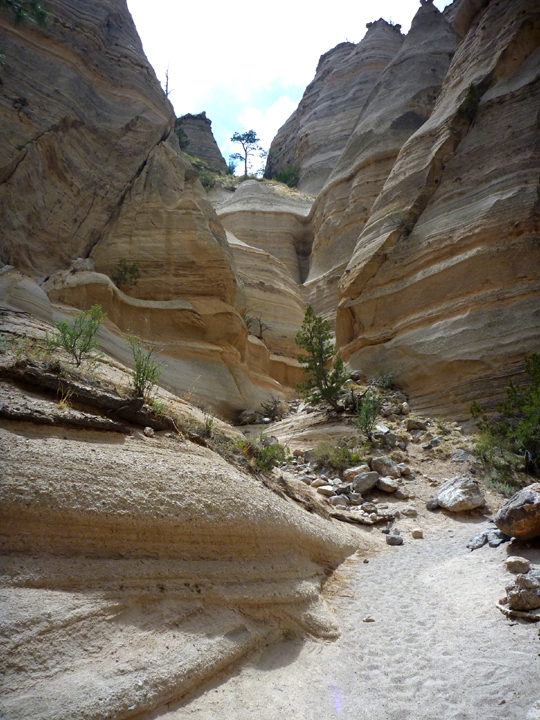
After taking the Cave Rock Trail we headed into the Slot Canyon, which began fairly wide.  We were amazed to find these giant Ponderosa Pines growing here.
TentRocks0860

TentRocks0869

TentRocks0870

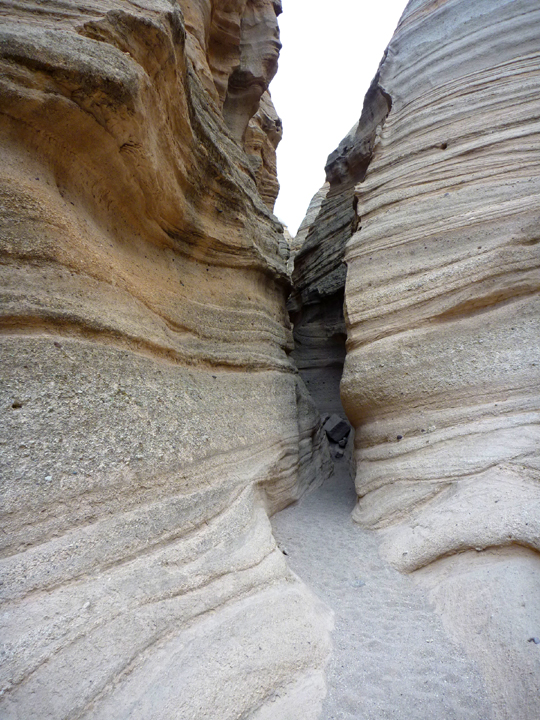
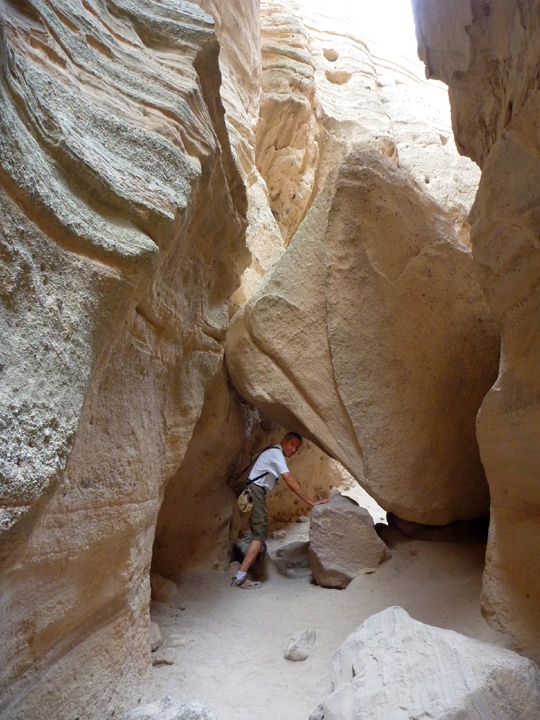
 In some places you could barely squeeze through.
TentRocks0874

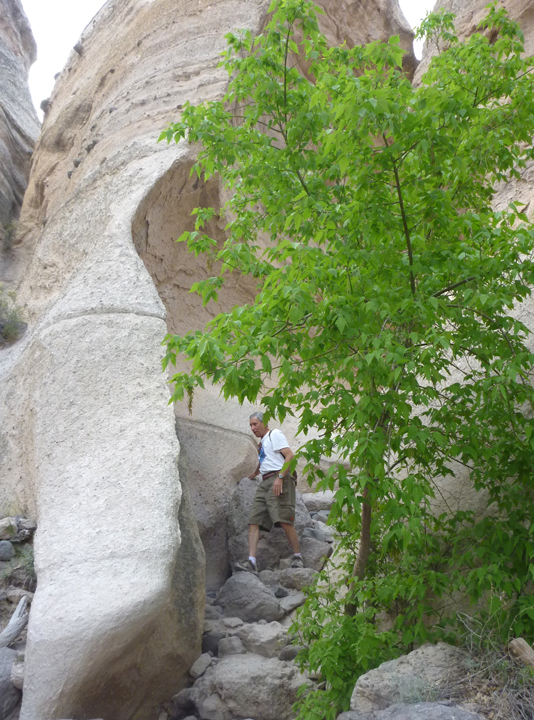
 Or under…or over…

TentRocks0880

 Turn around point where things got a bit too steep and precarious for us.
TentRocksCochitiLake0807

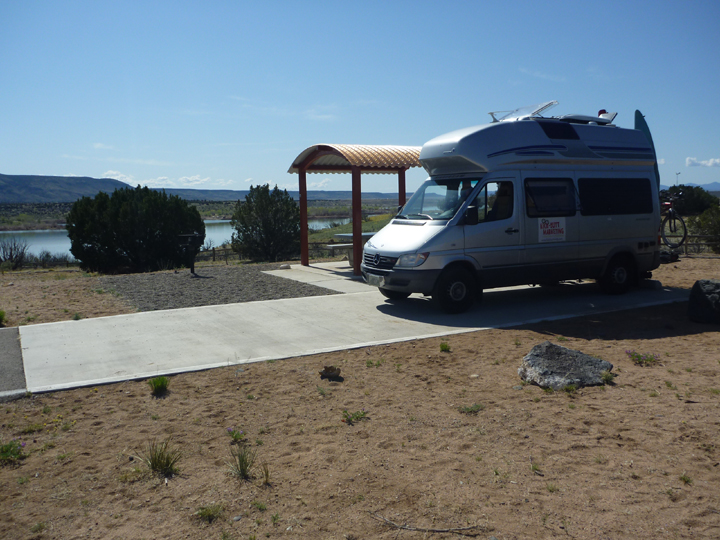
 Tucked in for the night at the Army Corps of Engineers Campground at Cochiti Lake, a reservoir on the Rio Grande River.
Posted by: sunnyharvy | April 22, 2014

ABQ, Mountainaire and Madrid

We spent a couple of days in Albuquerque, NM (ABQ) taking advantage of city offerings such as Trader Joe’s and a laundromat. We also enjoyed a walk around historic Old Town and a peddle on the Paseo de Bosque Trail alongside the Rio Grande. Thanks to Boondockers Welcome hosts we camped for free in the nearby towns of Belen and Sandia Park. Thank you Rex & Patryka.

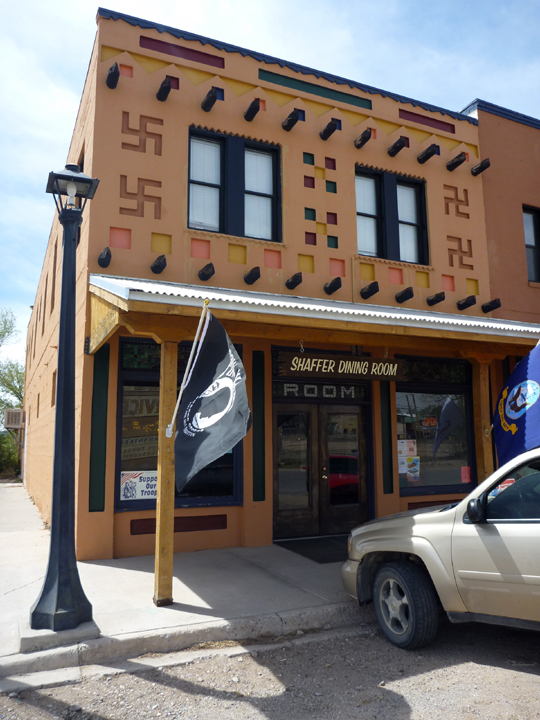
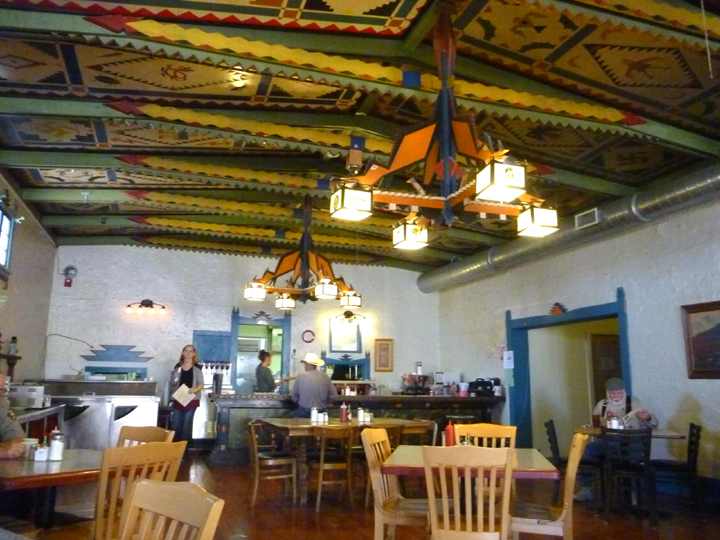
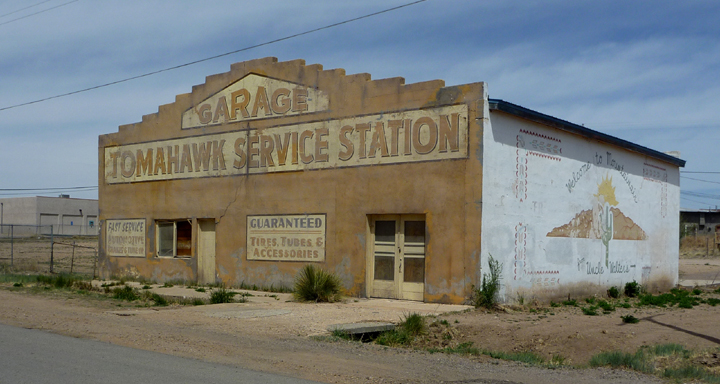
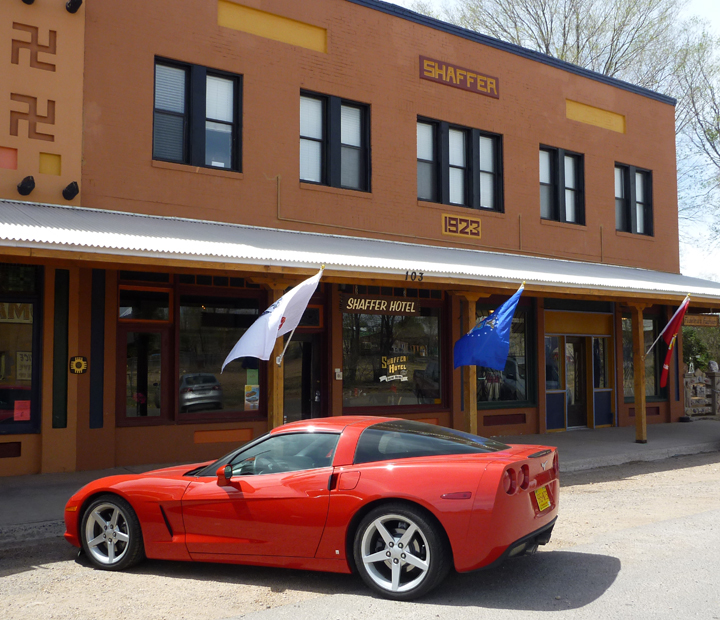
We took a scenic route from Belen to Sandia Park, which took us through the tiny town of Mountainaire. We had lunch in the dining room of the historic (1923) Shaffer Hotel, where much of the unusual “Pueblo Deco” styling has been preserved.

MountainaireNM0765

MountainaireNM0766

Did you know that the German swastika was copied from an American Indian design?

MountainaireNM0771

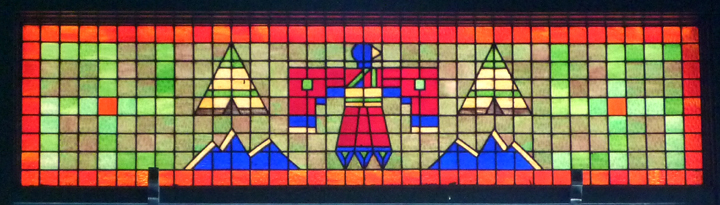
 Light fixtures, painted ceiling, and stained glass are all original from 1923.

MountainaireNM0767

MountainaireNM0763

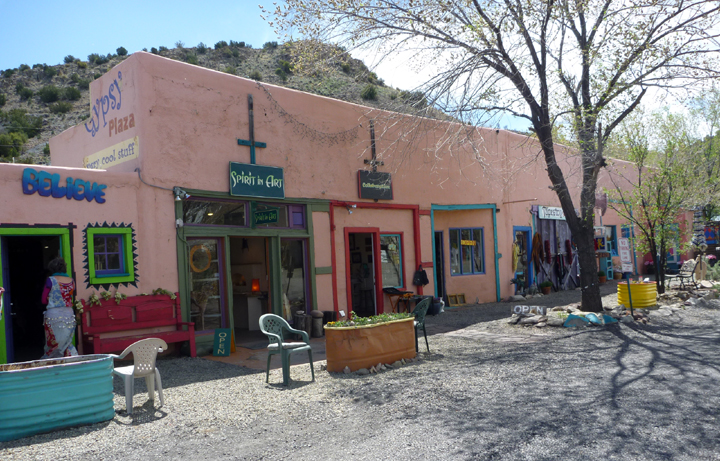
We then headed north on the Turquoise Trail (Route 14), which is designated as a scenic and historic route. We were cruising along enjoying some nice views and a few very small villages when we suddenly came upon Madrid (pronounced Mad-rid). Once a historic coal mining town and ghost town, Madrid is now a creative community with over 40 shops and galleries, a few restaurants, and a historical museum. We had no prior knowledge of this town, so it was quite a pleasant surprise to find. We spent more than 4 hours perusing the galleries where we were astonished at the depth of creativity on display. Turns out that a bunch of hippies took over the town in the 70’s and never left. 

MadridNM0776

Just a few of the 40+ shops and galleries full of creative work.

MadridNM0778

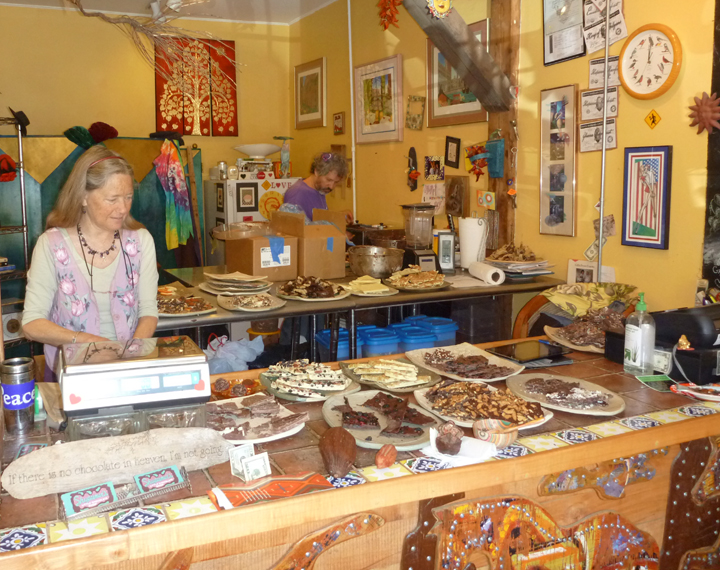
 My favorite stop – the chocolatier.
MadridNM0785

MadridNM0801

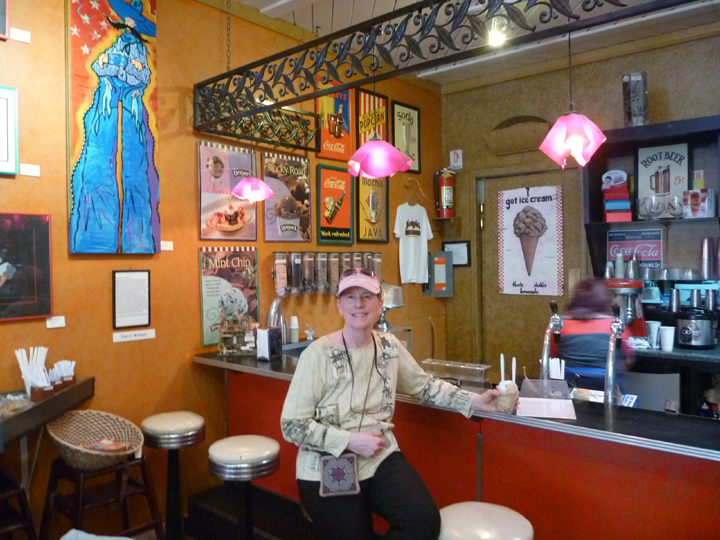
 The original soda fountain.

MadridNM0795

 An opportunity just waiting for your investment – right on Main Street!

MadridNM0786

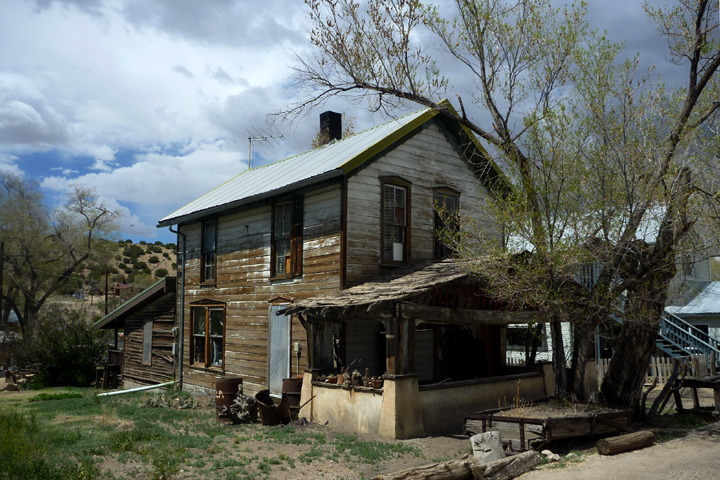
Former miner’s shacks now inhabited by artisans.

Madrid1968FromJudy

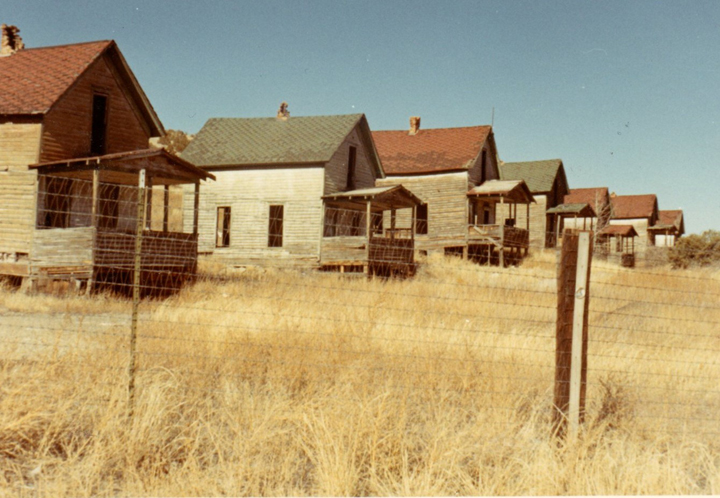
The same miner’s shacks in 1968 when my sister visited the then abandoned town.

MadridNM0791

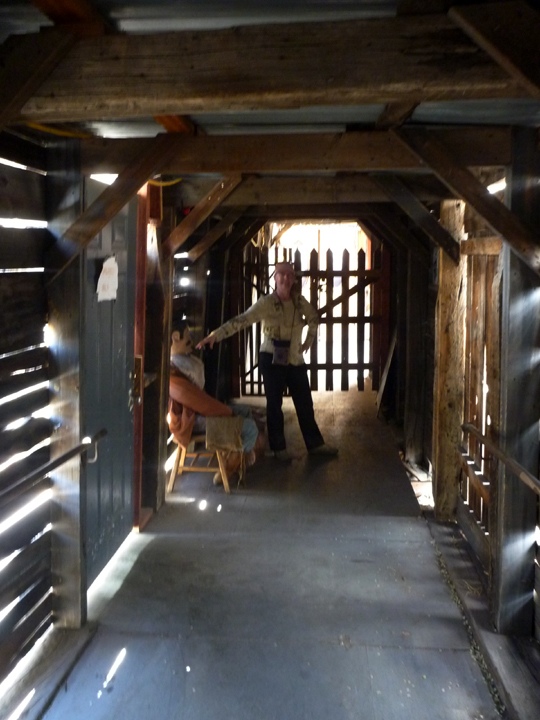
 Entrance to Mine Shaft Tavern.

MadridNM0802

Home Sweet Home

MadridNM0784


Posted by: sunnyharvy | April 17, 2014

Oldest Community in North America

Visiting the Acoma Pueblo, located approximately sixty miles west of Albuquerque, New Mexico was highly recommended by fellow travelers. Since we found ourselves in the neighborhood, I decided to do so. Even though it’s not entirely our type of attraction, I found it quite interesting.

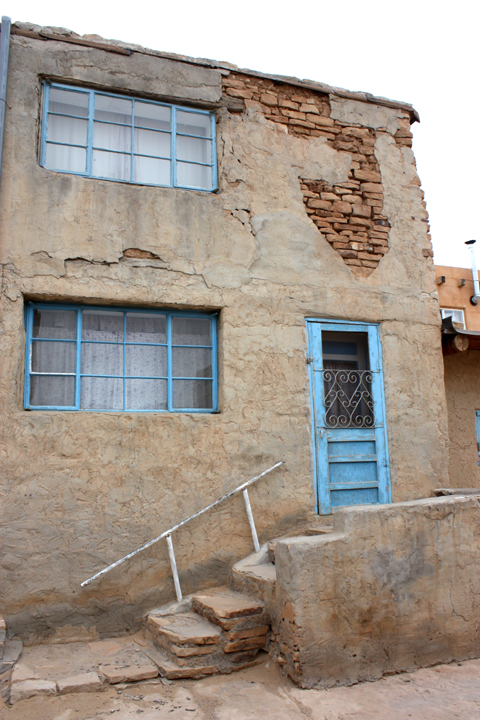
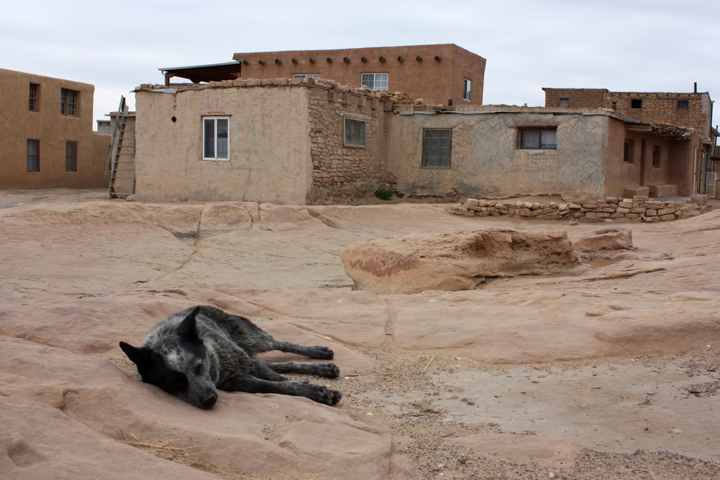
The Pueblo is built atop a sheer-walled, 367-foot sandstone mesa in a valley studded with sacred, towering monoliths. Occupied since 1150 A.D., Acoma Pueblo has earned the reputation as the oldest continuously inhabited community in North America. Today it consists of more than 250 dwellings, none of which have electricity, sewer, or water. Few are occupied full-time, but most all are used on occasion, especially during traditional ceremonies and celebrations. The mesa-top settlement is known worldwide for its unique art and rich culture. 
According to Wikipedia, the word “Acoma” is from the Acoma and Spanish word Acoma, or Acú, which means “the place that always was.” “Pueblo” is Spanish for “village” or “town.” Pueblo refers to both the people and the unique architecture of the Southwest.

AcomaPueblo4566

 The mesa in the distance was the original place of settlement over a thousands years ago, but according to legend a lightning storm destroyed the only path to the top, so they were forced to move.

AcomaPueblo4524

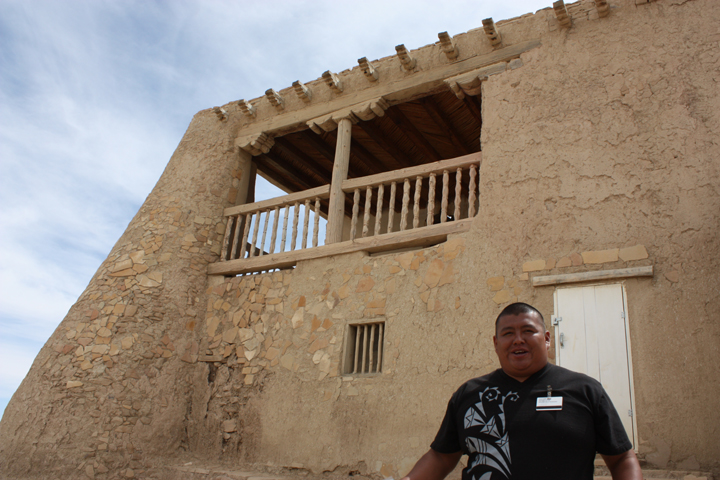
Our Acoma tour guide who was raised in the community

AcomaPueblo4584

AcomaPueblo4576

AcomaPueblo4551

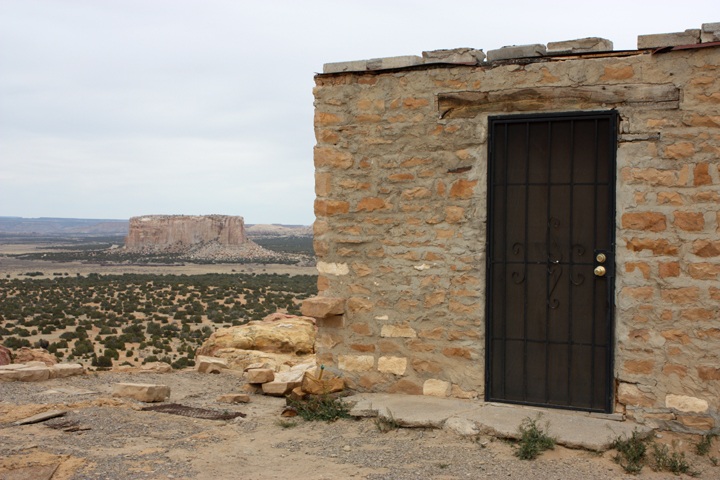
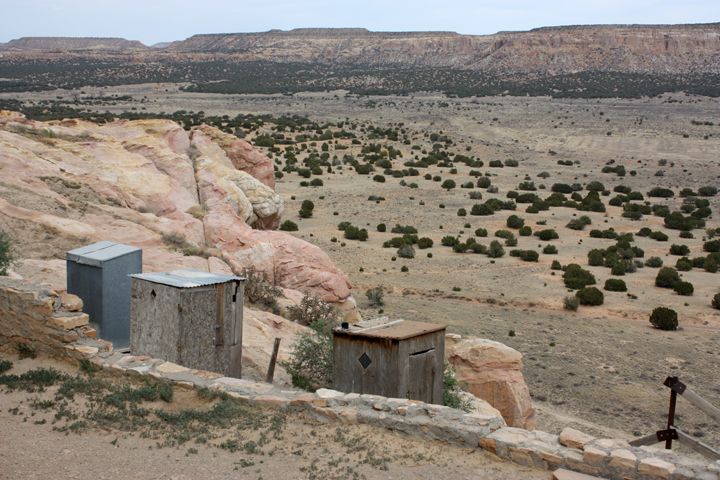
Sanitation facilities with a view

AcomaPueblo4548

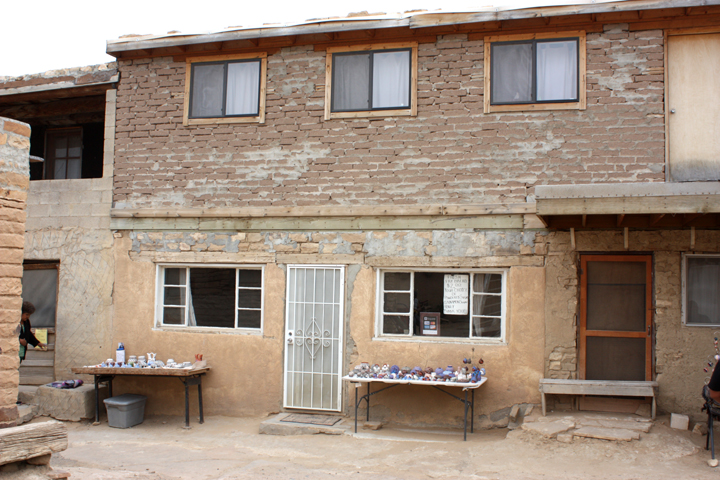
Some of the residents offer their handmade jewelry, pottery, and other art for sale to tourists

AcomaPueblo4547

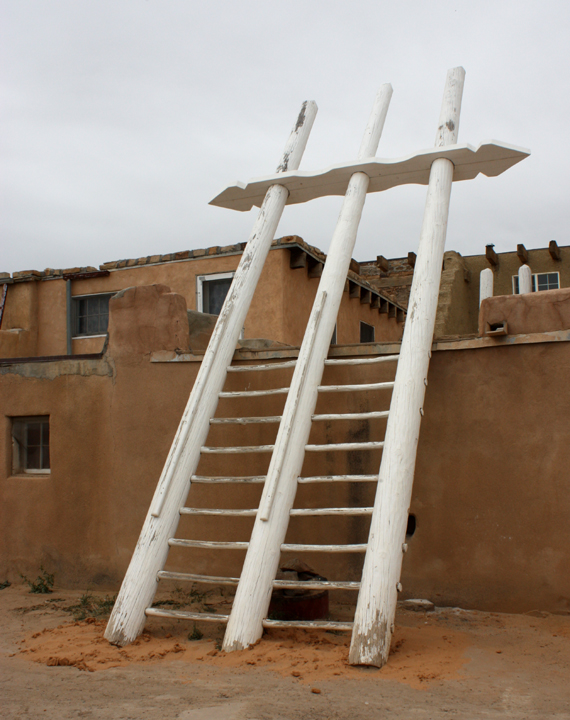
The large crossbar towards the top represents clouds

AcomaPueblo4522

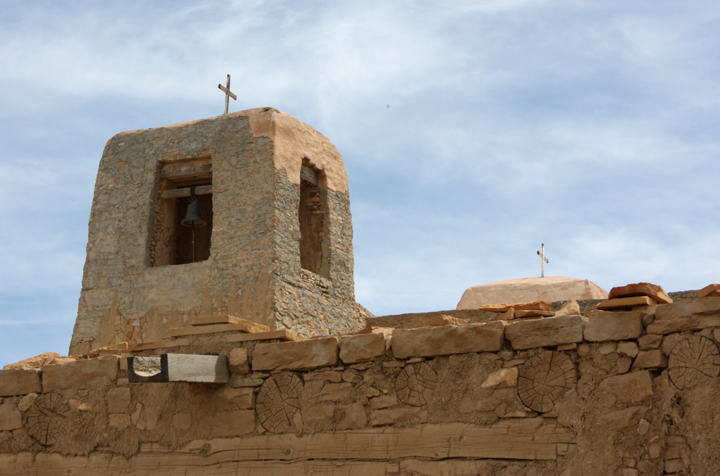
Crosses atop the mission built for Spaniards with forced Indian labor

AcomaPueblo4564BW

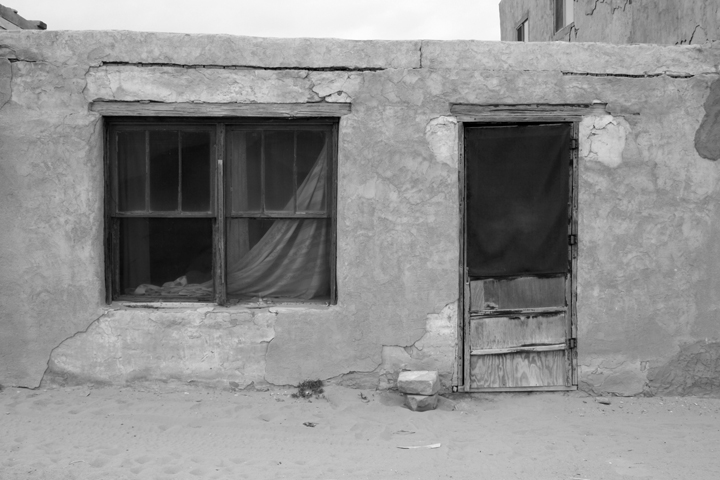
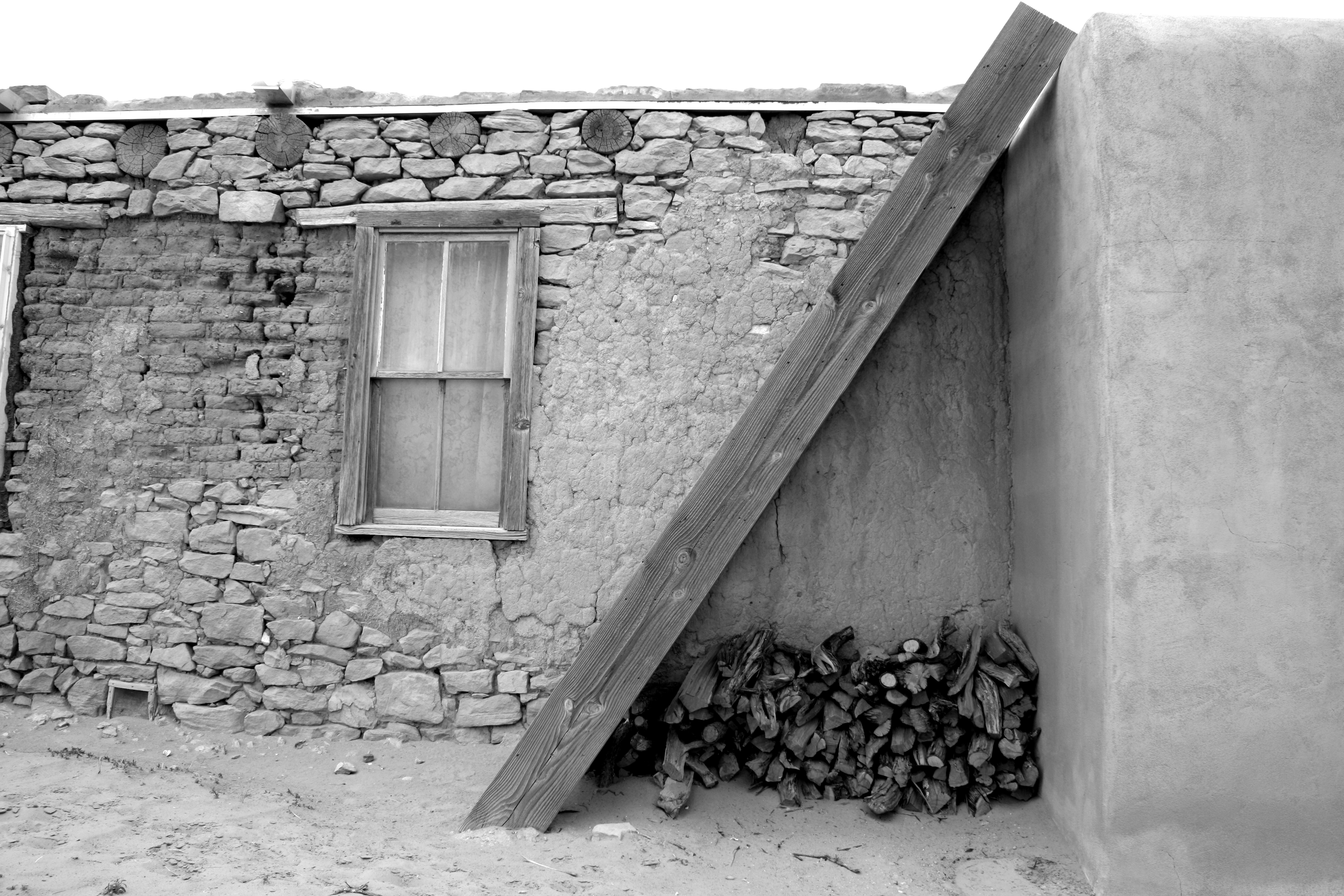
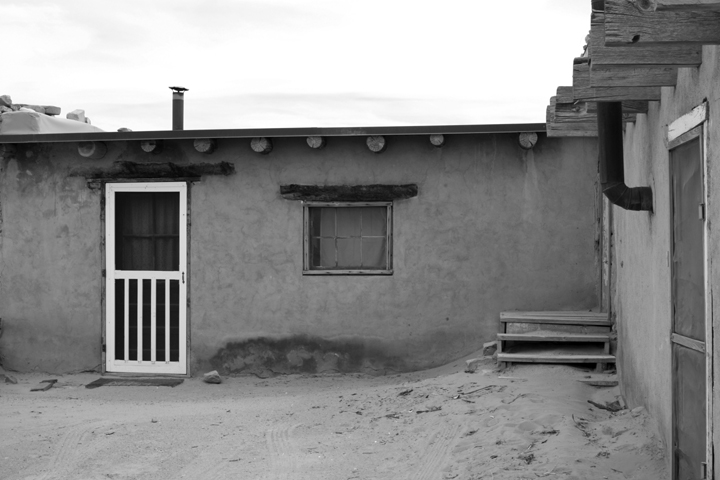
When I learned that Ansel Adams had photographed the Pueblo in 1941, I had to see how some of my shots would look in black and white. What do you think?

AcomaPueblo4556BW

AcomaPueblo4554BW

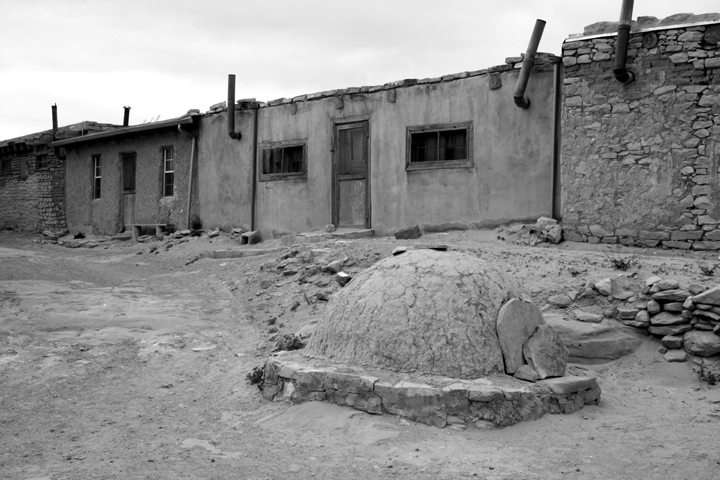
A neighborhood community bread oven

AcomaPueblo4543BW


Next up, Albuquerque and environs.

Posted by: sunnyharvy | April 17, 2014

Canyon de Chelly North Rim Drive

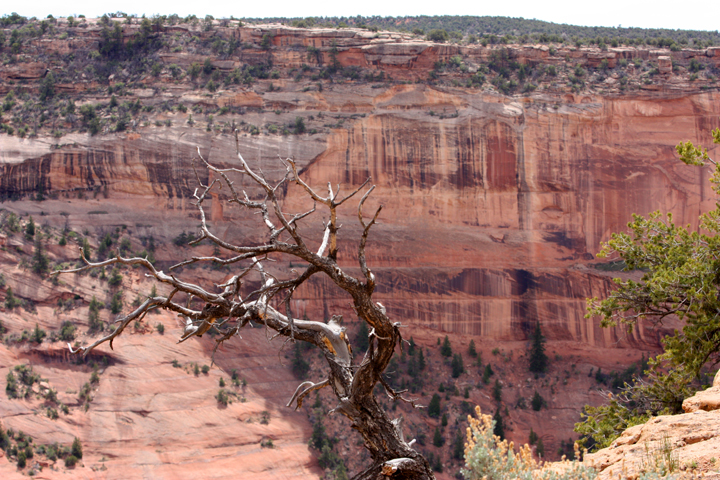
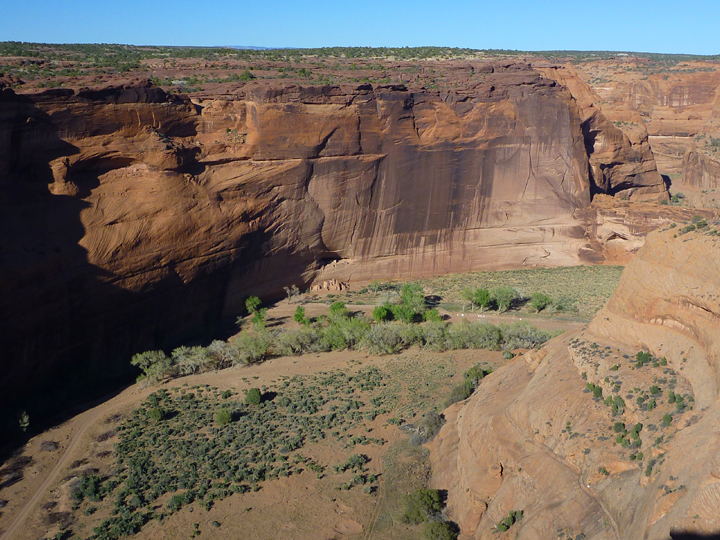
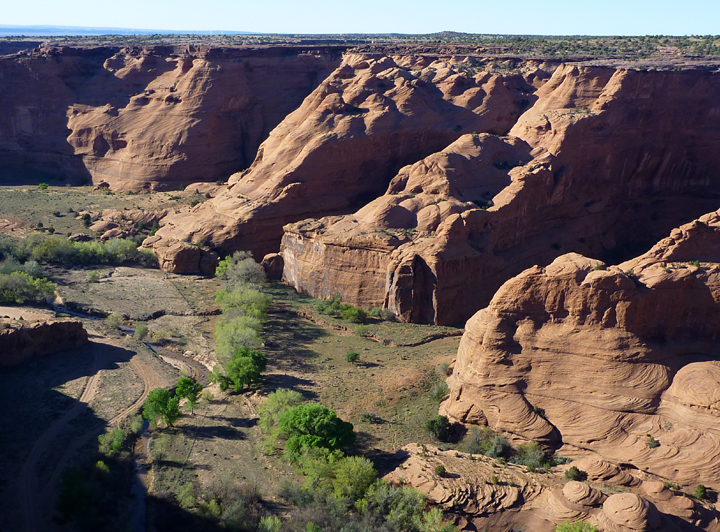
The north rim drive at Canyon de Chelly actually provides views into the Canyon del Muerto where some of the most beautiful cliff dwellings can be viewed.

CanyondeChelly4518

CanyondeChelly4516

CanyondeChelly4508

This group preferred to live midway up the canyon walls.

CanyondeChelly4510

The Antelope House Ruin is named for the illustrations of antelope attributed to Navajo artist Dibe Yazhi who lived here in the early 1800s.

CanyondeChelly4505

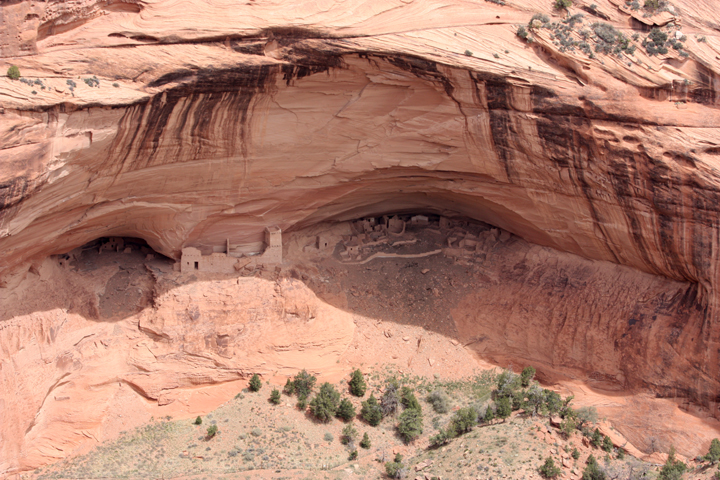
The stability of the canyon floor appealed to the residents of the Mummy Cave ruins. It is one of the largest and was occupied to about 1300.

CanyondeChelly4504

CanyondeChelly4507

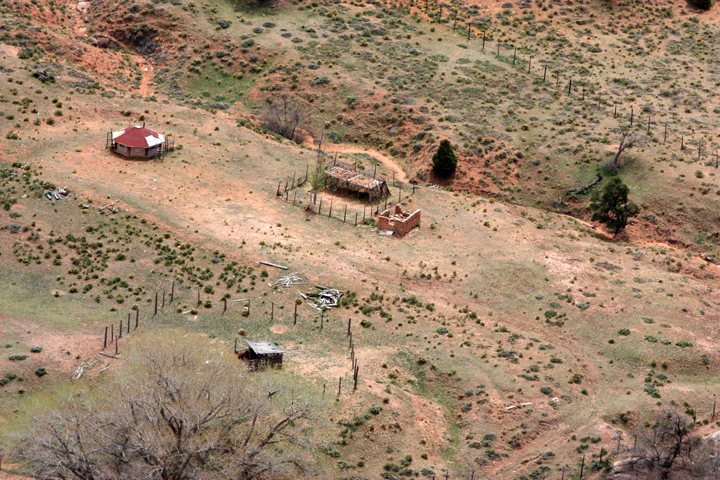
A nearby modern homestead.

CanyondeChelly4506

Owl eyes?

CanyondeChelly0738

Almost unbelievable, isn’t it?

CanyondeChelly0717

CanyondeChelly0712

CanyondeChelly0741

Local artist with piece we purchased from him that depicts hunters chasing pronghorn deer between the red canyon walls.

Posted by: sunnyharvy | April 17, 2014

Canyon de Chelly South Rim

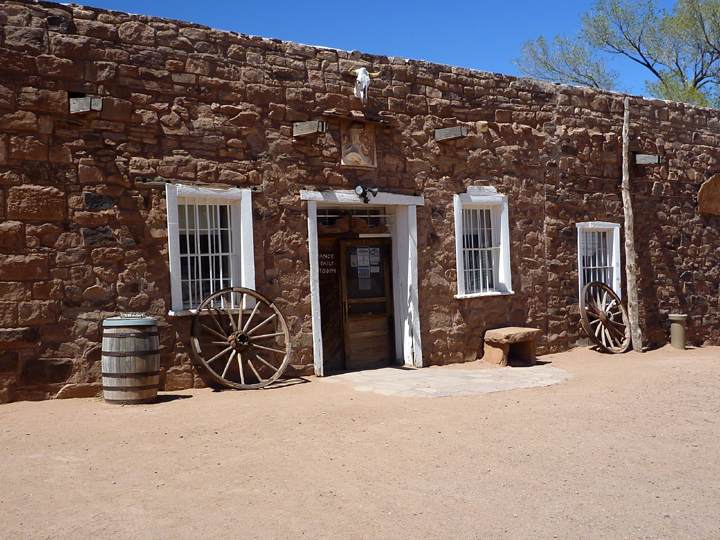
On our way to the astounding Canyon de Chelly (pronounced d’shay) in the northeastern corner of Arizona, we stopped in at the Hubbell Trading Post. The squeaky wooden floor greets your entry into the oldest operating trading post on the Navajo Nation. When your eyes adjust to the dim light in the “bullpen” you find you’ve just entered a mercantile. Hubbell’s has been selling groceries, grain, hardware, horse tack, coffee, and native american art since 1878. We perused the beautiful jewelry and rugs fashioned by locals and took a self-guided tour of the grounds and buildings, which are now part of the National Park System.

HubbellsTradingPost0609

HubbellsTradingPost0611

HubbellsTradingPost0617

Later that afternoon we got settled in to our Cottonwood Campground site just outside of the entrance to Canyon de Chelly National Park. At 5 pm we set out on the scenic south rim drive, which provided tremendous panoramic views of the canyon and ancient ruins within.

CanyondeChelly0640

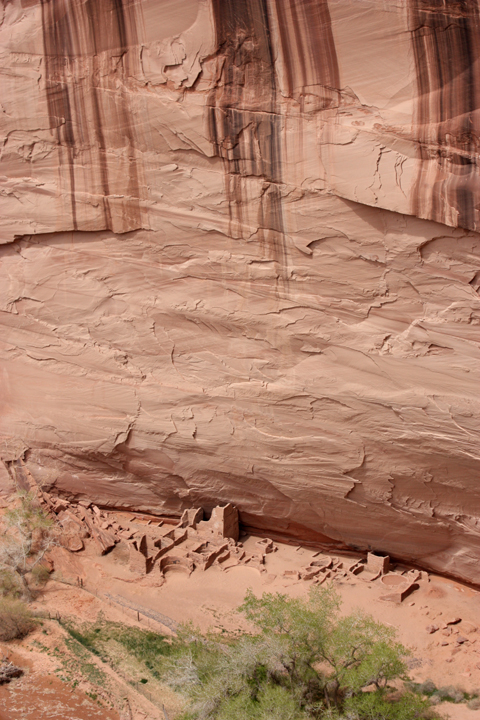
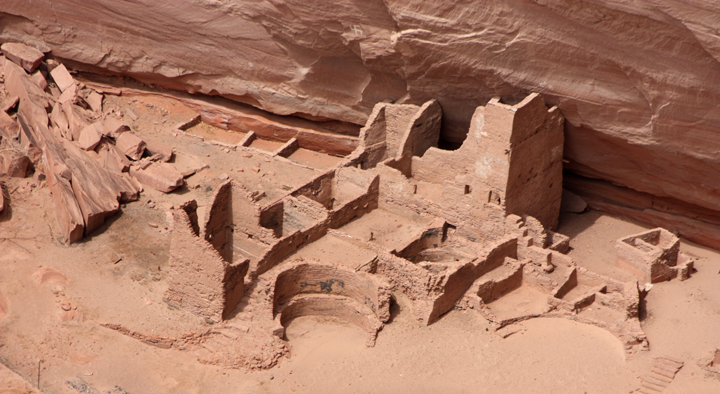
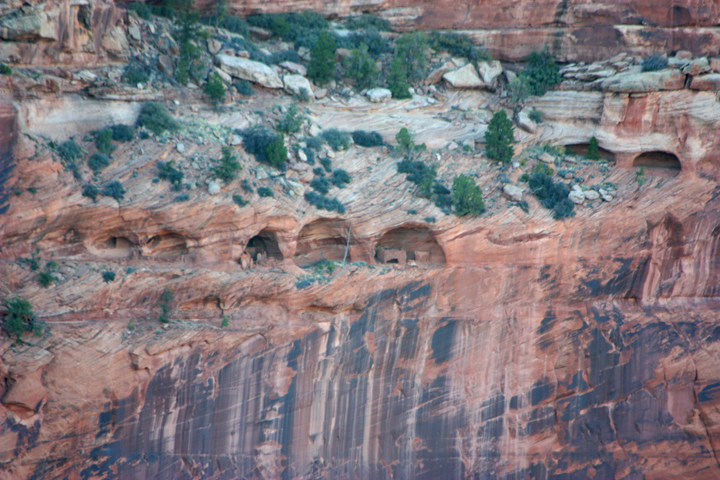
Can you see the ancient dwelling at the base of the canyon wall?

CanyondeChelly4463

Here’s a closer look of those dwellings built by Puebloan people 1,000 years ago.

CanyondeChelly0641

If these walls could talk, they would tell you that for nearly 5,000 years, people have lived in these canyons – longer than anyone has lived uninterrupted anywhere on the Colorado Plateau. Today, Navajo families make their homes, raise livestock, and farm the lands. The Navajo Nation and the National Park Service work together to manage the park resources.

CanyondeChelly4489

These folks apparently preferred living higher up…can you imagine? I can’t!

CanyondeChelly4479

CanyondeChelly4488

CanyondeChelly4481

CanyondeChelly4459

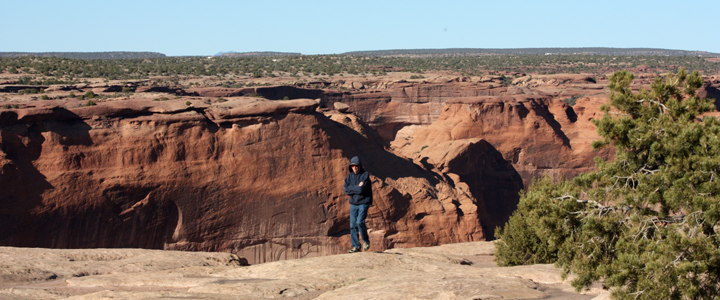
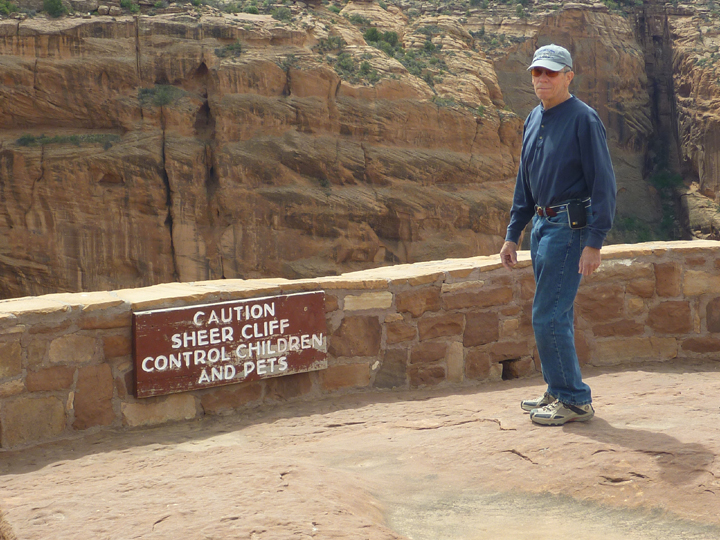
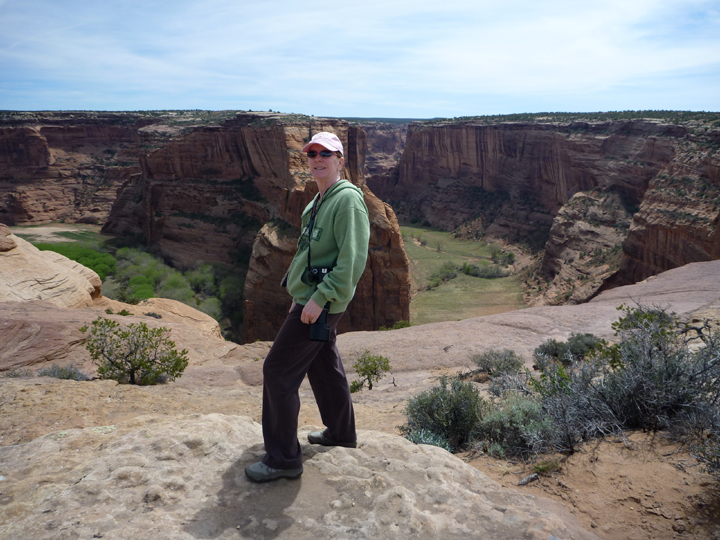
Acrophobia…what acrophobia…? He’s not as close to that edge at it appears.

CanyondeChelly0678

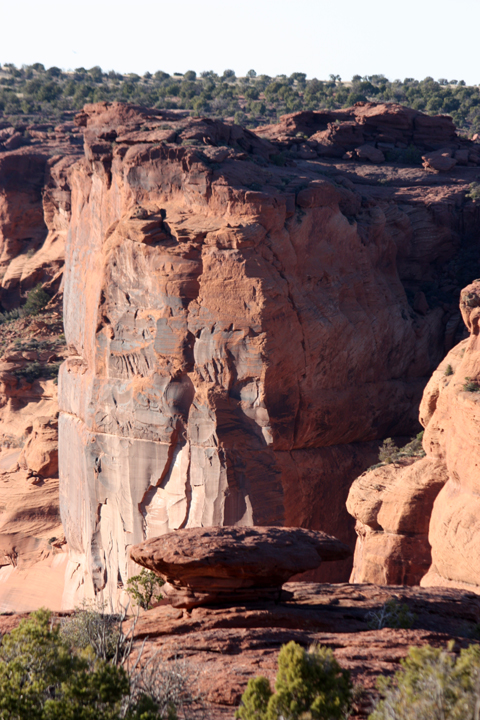
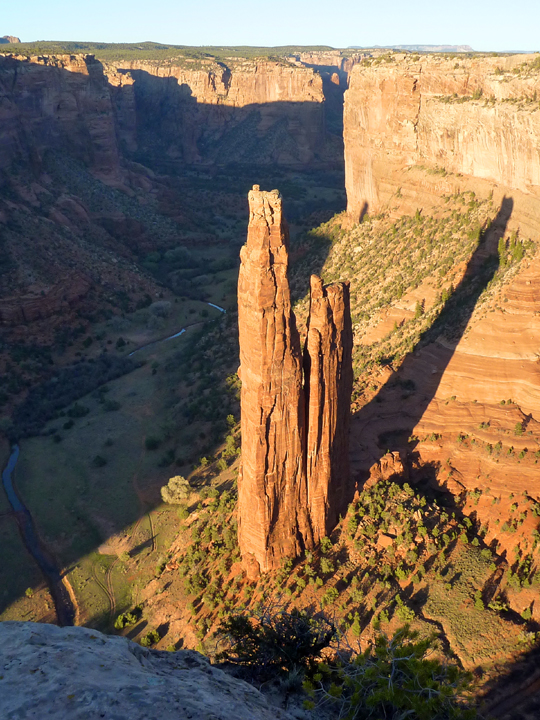
Spider Rock, an 800-foot sandstone spire, the last stop on south rim tour.

CanyondeChelly0700

On the way back, we saw these wild horses and many more.

CanyondeChelly4495

As the sun set, the full moon rose over the canyon. My photo doesn’t do it justice, but I had to include it anyway. That evening we watched the full lunar eclipse through haRVy’s skylight from our bed pillows.

Posted by: sunnyharvy | April 13, 2014

High Prairies and Petrified Forests

This leg of our journey brought us out of the forest and out onto some amazingly vast high plains. Not a whole lot out here, except some pretty serious wind, but we do have a destination in mind.

Holbrook0492

Free campground outside entrance to park

Holbrook0496

Just because

Holbrook0506

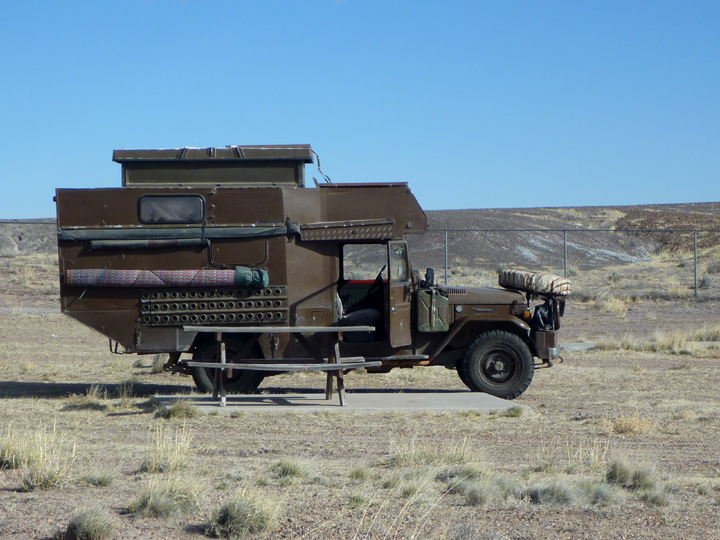
Desert assault vehicle

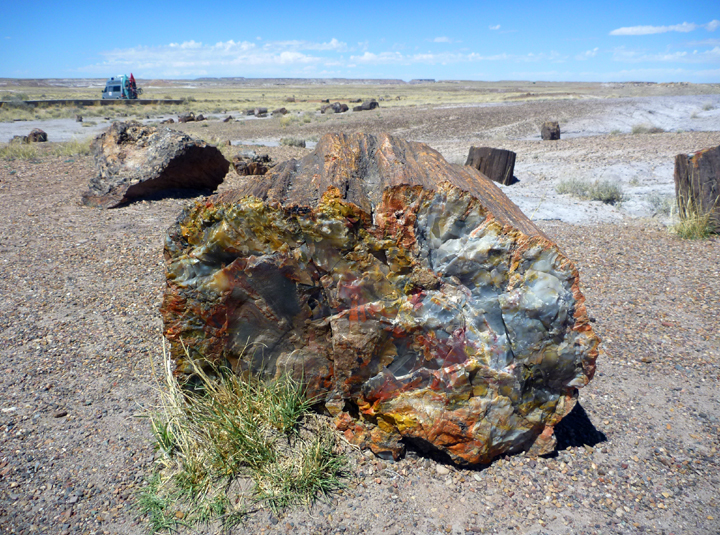
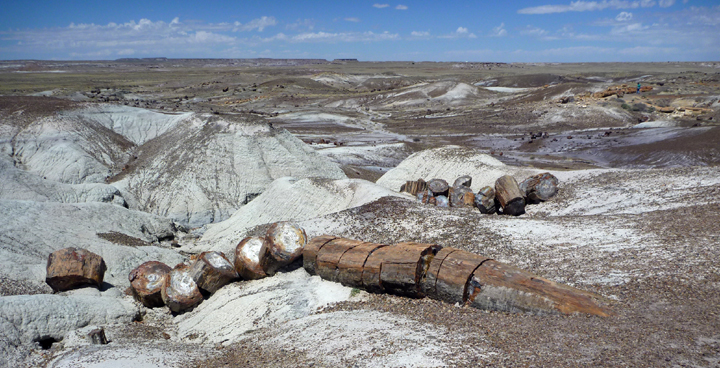
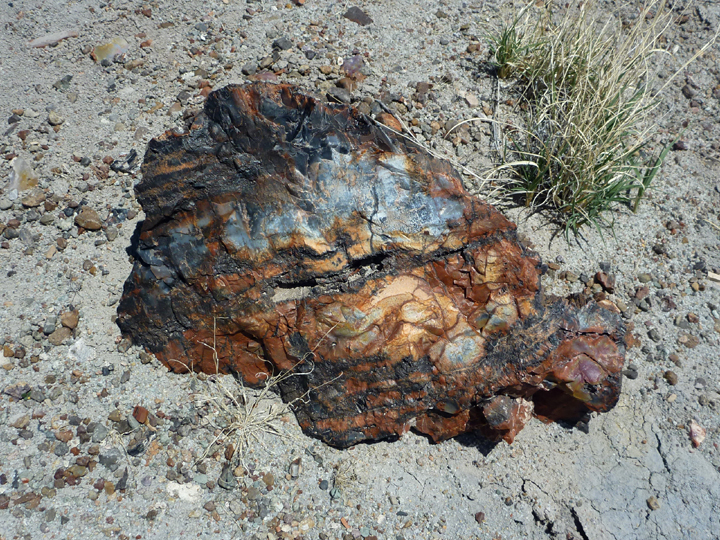
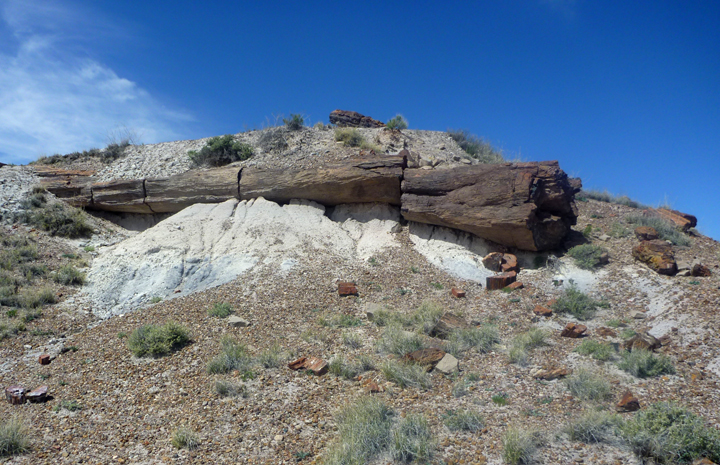
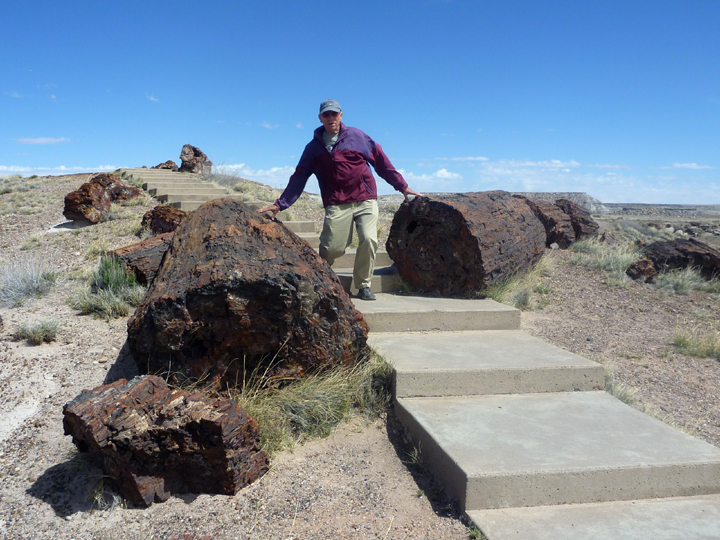
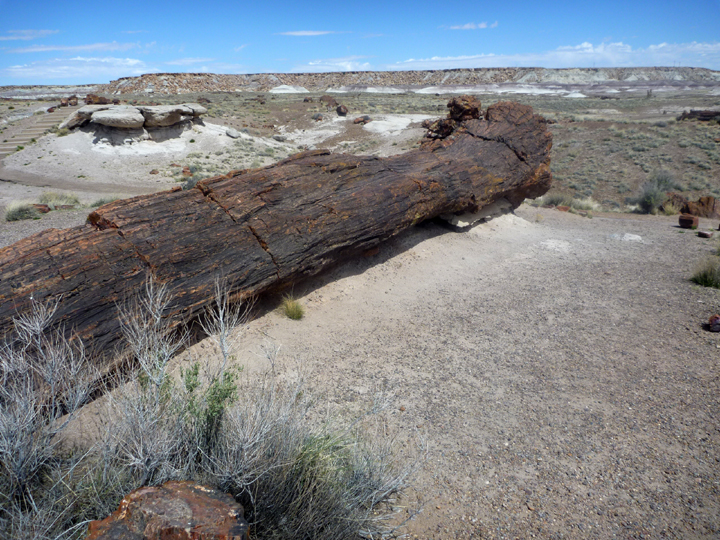
Our next stop was the amazing Petrified Forest National Park near Holbrook, AZ. This park touts having the largest concentration of petrified wood in the world.

PetrifiedForest0532

PetrifiedForest0529

PetrifiedForest0527

PetrifiedForest0518

PetrifiedForest0517

PetrifiedForest0510

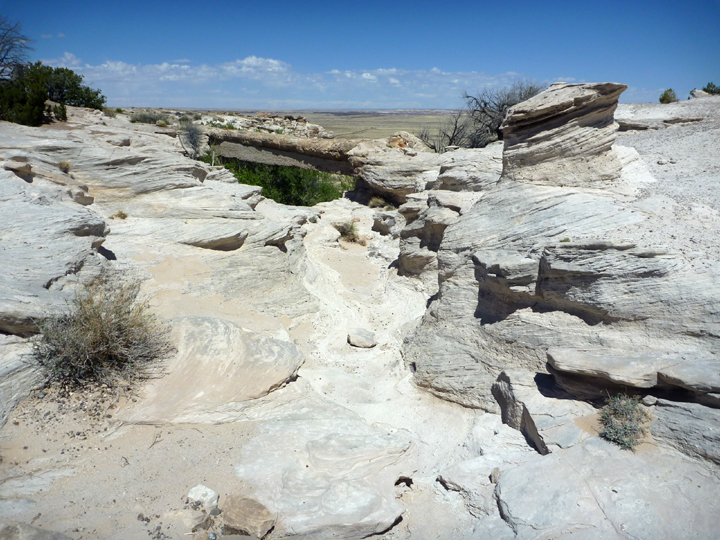
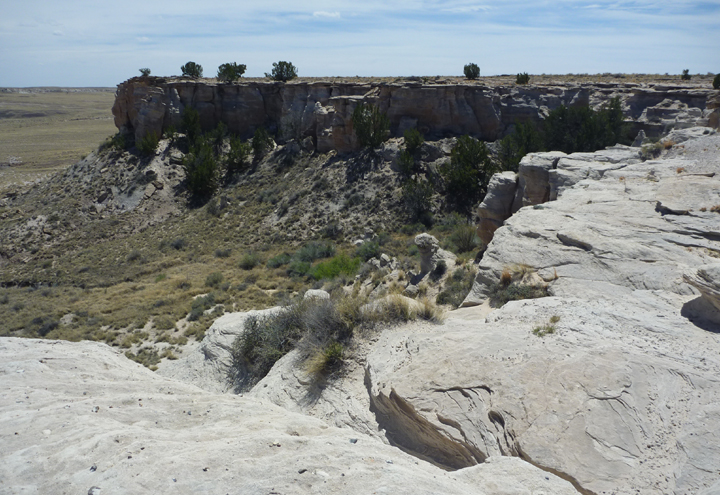
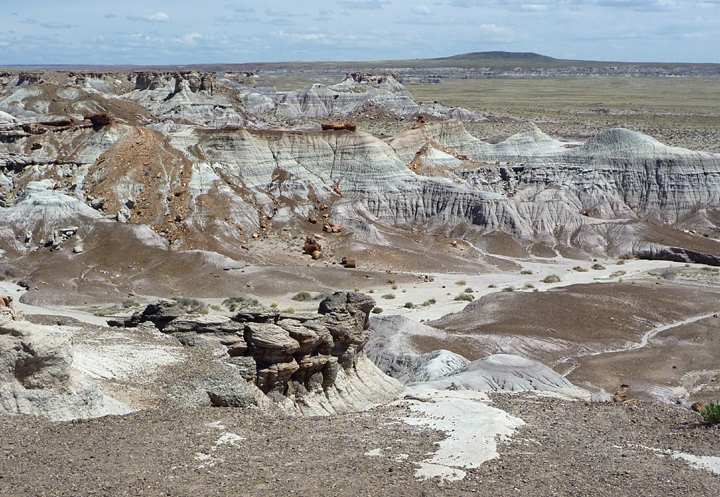
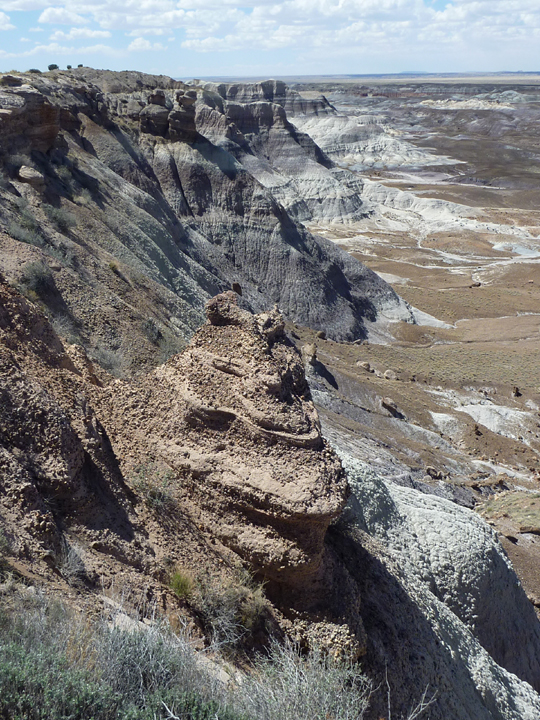
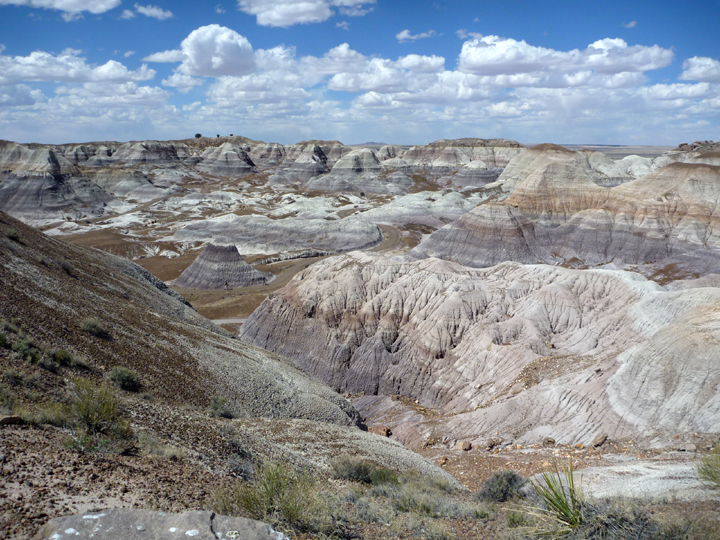
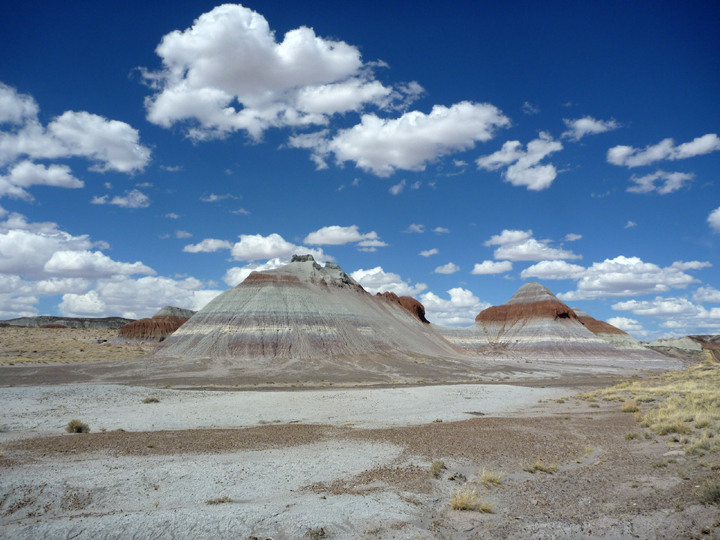
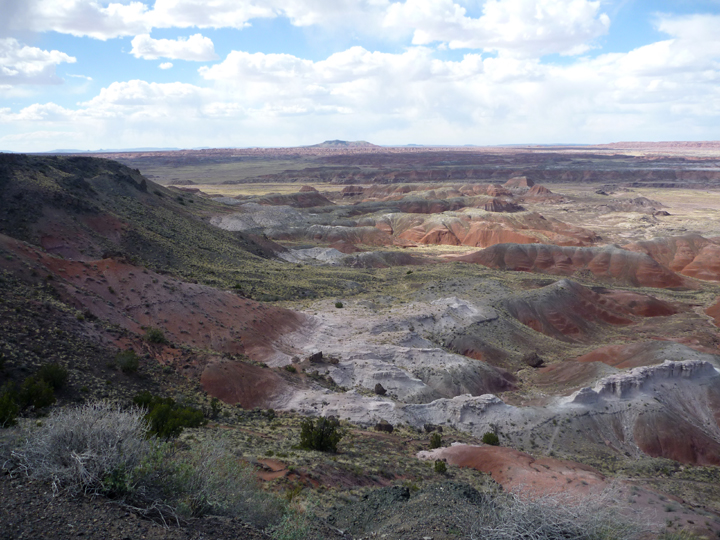
The park has a lot more to offer than petrified wood, which actually was very interesting, but there are also some amazing geologic features all along the single road that meanders through. We took a few hikes to get a closer view.

PetrifiedForest0551

PetrifiedForest0555

PetrifiedForest0556

PetrifiedForest0576

Lunch spot above and view from below

PetrifiedForest0566

PetrifiedForest0575

The Blue Mesa

PetrifiedForest0577

PetrifiedForest0578

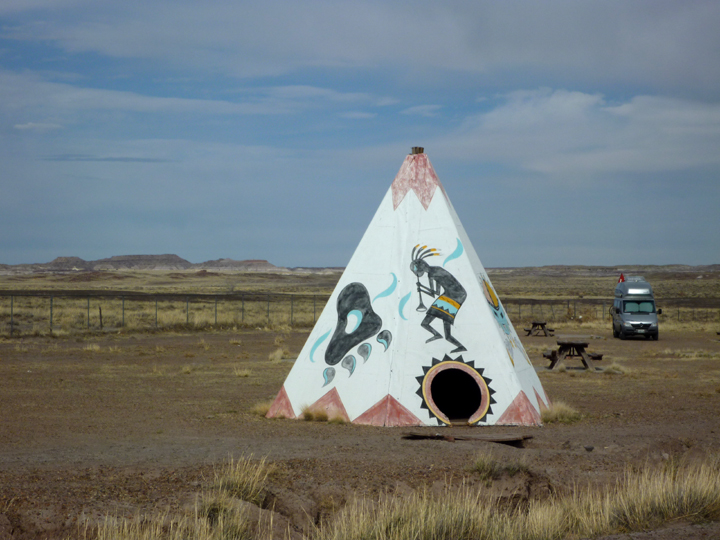
The Teepees

PetrifiedForest0592

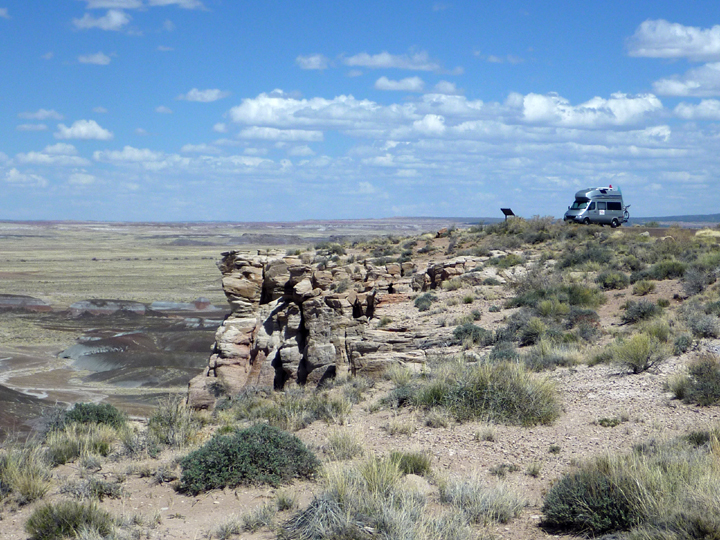
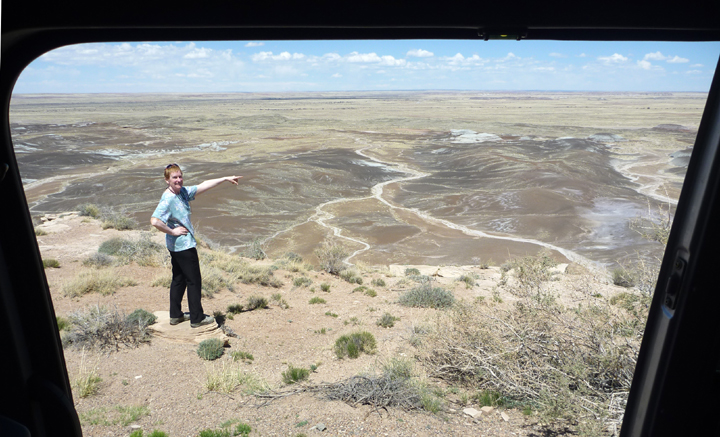
Our last hike was around the rim of the Painted Desert

The quantity and diversity of the natural beauty across this country continues to surprise and please us. If there weren’t so many cars, trucks, and shopping centers along the way the experience would be thoroughly enjoyable, but I guess that’s just too much to ask for.

« Newer Posts - Older Posts »

Categories